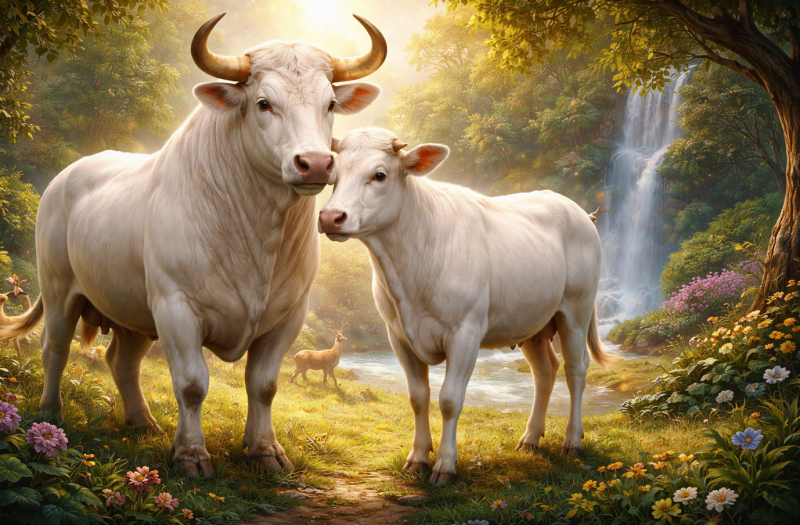
Animal Symbolism in The Book of Enoch
When I came across The Book of Enoch and its different versions, I became deeply interested in the animal symbols found throughout its pages, especially the way animals seem to represent different groups of people. Page 115 in particular, from Chapter 84, which begins on page 114, is what inspired me to write this article. Truthfully, I had this article on my mind for the past three years because it took me that long to really understand what Joseph Lumpkin meant when he wrote: “In chapter 85 and following, a series of animals is mentioned. These seem to refer to nations or ethnicities. For example, the eagles may refer to the Roman Empire; the Islamic nation is represented by the asses; Egyptians are wolves; the Assyrians are lions, and so on. See Daniel 10 for other imagery.”
Animals as a Symbolic Language Across Ancient Texts
Why were animals used to represent different groups of people in the first place? In many ancient traditions, animals were never just animals. They carried meaning. Some represented strength, danger, innocence, leadership, wisdom, or even chaos. By using animals this way, ancient writers could describe nations, tribes, rulers, and ethnic groups through imagery people could immediately recognize and understand. It gave the text a deeper layer of meaning and allowed the reader to see identity, conflict, and character through symbolism rather than just plain words. This kind of symbolism is not unique to The Book of Enoch.
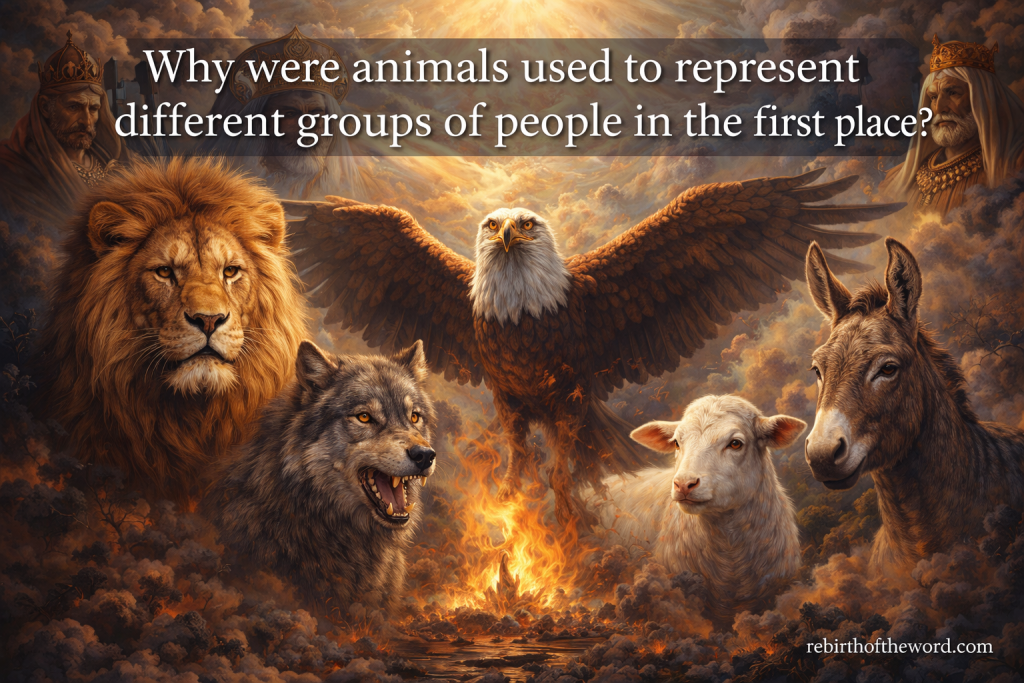
The Holy Bible also gives several examples of animals representing groups of people, tribes, nations, rulers, and even spiritual forces. Judah is compared to a lion, Benjamin to a wolf, Israel to sheep, corrupt leaders are shown as shepherds over a flock, hostile people are compared to wolves, and powerful kingdoms are described as beasts. When you put these examples together, it becomes clear that animal imagery served as a symbolic language, one used to communicate identity, character, power, and moral condition in a vivid and memorable way. When you step back and look at the bigger picture, this was not something limited to Enoch or the Bible alone. Across the ancient world, animals were often used to symbolize kingship, authority, warfare, sacred power, and collective identity. That is what makes this subject so fascinating to me. The animals in these texts are not there by accident. They are part of a deeper symbolic language that ancient people used to explain the world around them and the people within it.
Why do I consider this important? Well, it goes back to the Book of Enoch. “(Author’s note: Many believe verses 1-9 represent the story of Adam, Eve,
Cain, and Abel. The first white bull mentioned is Adam. The heifer is Eve.
The two bulls born to them are a black one [Cain] and a red one [Abel]. Eve
leaves to seek Abel and finds him. She laments his death. Adam comforts
her. Cain goes on to produce many oxen. Eve produces another son and
thus produces many more bulls and cows.)”
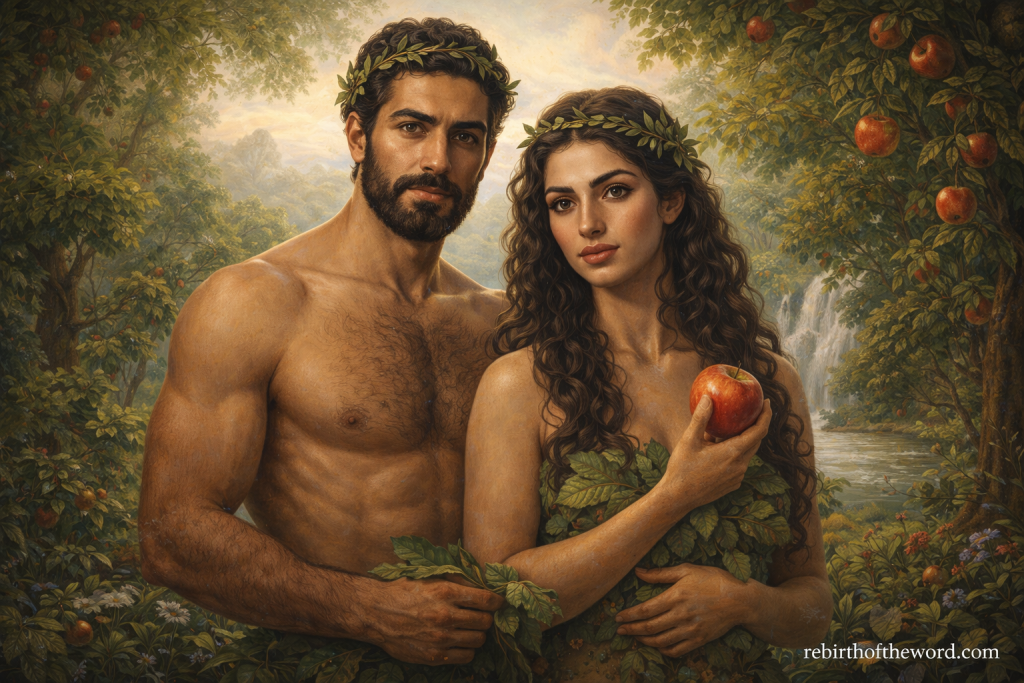
What I recently learned, and what really caught my attention, is that in The Book of Enoch, Adam is symbolically depicted as a white bull and Eve as a heifer. That may seem small to some, but to me it opens up an entirely different way of seeing the creation account. Once you read it through that symbolic lens, you can replace Adam with the white bull and Eve with the heifer, and suddenly the scene becomes more than a simple retelling. It becomes a symbolic portrayal of the origin of humanity, using animal imagery to convey identity, purity, and deeper meaning.
And for the civilization question, no, agriculture alone is not usually enough to classify a society as a civilization. Agriculture is often one of the foundations because it can support permanent settlement and a food surplus, but scholars usually look for a broader combination of traits, such as urban centers, administrative structures, division of labor, and shared systems of communication, often including writing. It is also worth noting that some societies were sedentary without being fully agricultural, which shows that farming by itself is not the only test.
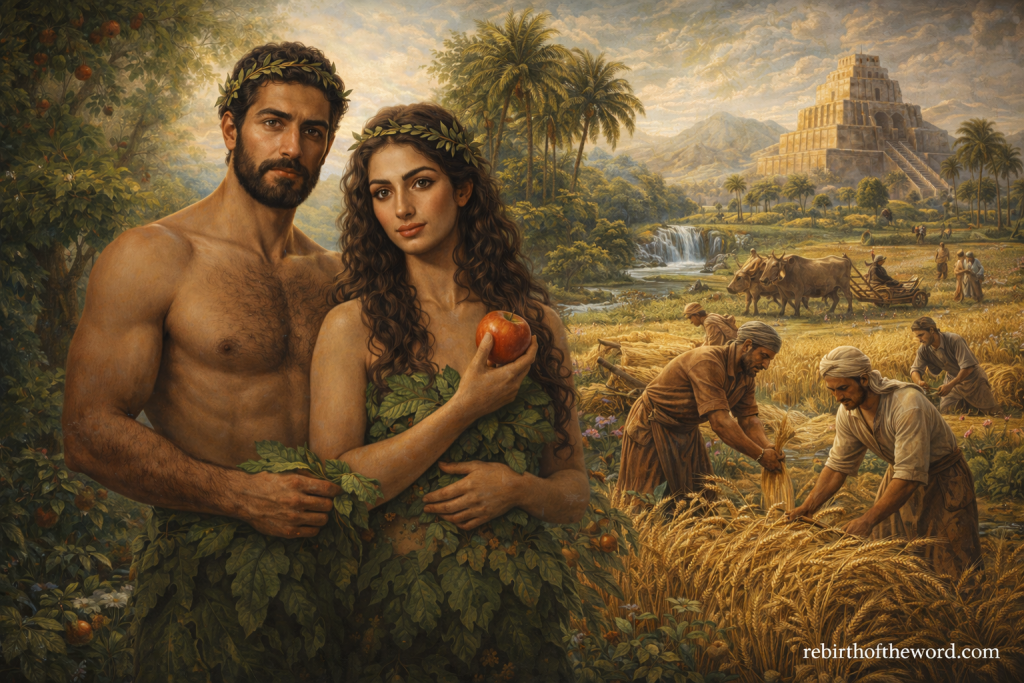
But for me, realizing that Adam and Eve are depicted through bovine imagery adds another layer of meaning. Across many ancient traditions, bovine symbolism is often associated with strength, power, fertility, life, sustenance, and agriculture. In some cultures, it can also carry sacred or divine significance. Seeing Adam and Eve presented this way helps me understand that these stories were not always meant to be read only at face value, but also through symbolism and imagery.
Read This Article: The Sacred Bovine: Pillar of Ancient Civilization rebirthoftheword.com/the-sacred-bovine-pillar-of-ancient-civilization/ (click here)
Until Next Time, Knowledge is Power